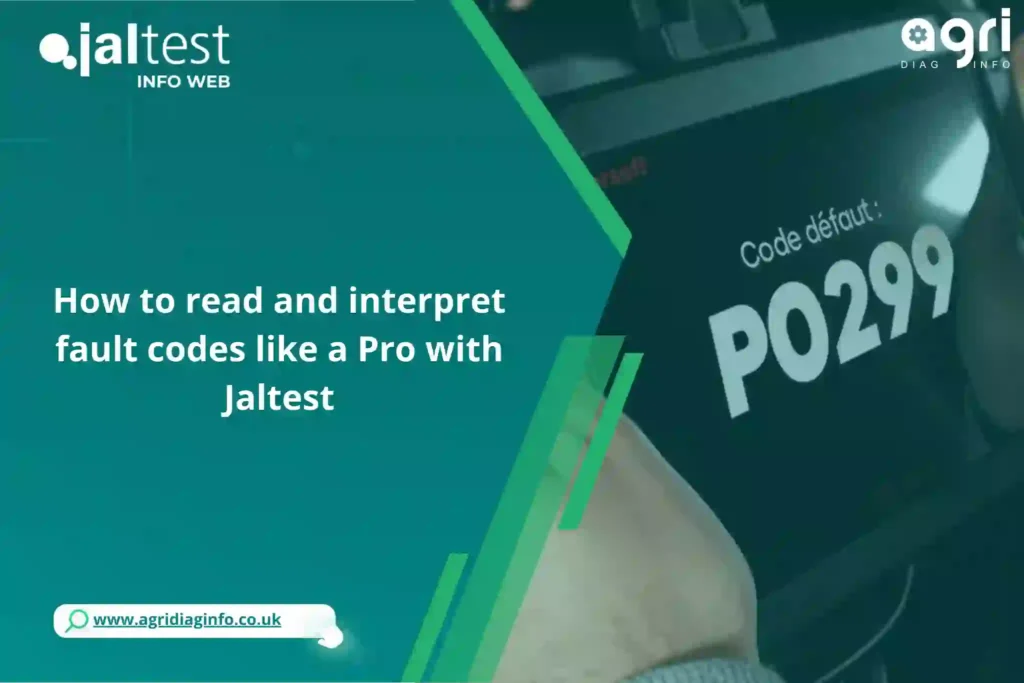
Have you ever seen a warning light on your dashboard and wondered: “What does this code really mean?”
Many technicians try to guess, which can cost time and money. With Jaltest INFO Web, reading and interpreting fault codes becomes a simple, guided process that allows you to solve problems quickly and efficiently.
To read and interpret heavy-duty fault codes with Jaltest is no longer about guessing what a dashboard warning light means. Every fault code points to a specific system issue, and misinterpreting it can lead to wasted time, incorrect repairs, and higher costs. With Jaltest INFO Web, technicians can read and interpret heavy-duty fault codes with a guided, reliable process designed for professional workshops.
How to Read a Heavy-Duty Vehicle Fault Code
Heavy-duty vehicle fault codes follow a specific format:
- P = Powertrain
- U = Network
- B = Body
- C = Chassis
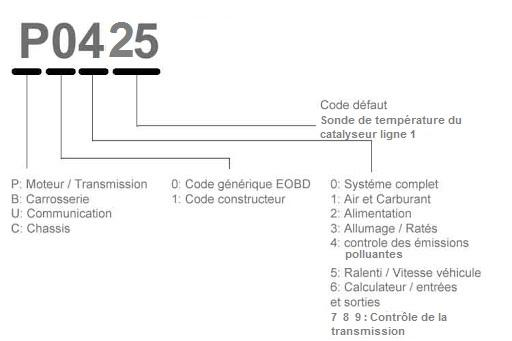
These letters start each OBD2 code. The first digit then indicates:
- 0: Generic code (related to wear or standard issues)
- 1: Manufacturer-specific code
The last three digits specify the exact nature of the problem.
Example:
- P0420 indicates a catalytic converter malfunction. It signals an anomaly but does not specify the exact cause, so a thorough workshop diagnosis is required.
⚠️ Important: Interpreting OBD codes should always be done by a qualified professional using a suitable diagnostic tool or application, like Jaltest INFO Web.
Why You Should Never Ignore a Fault Code
- Fault codes can prevent serious failures
- They help maintain vehicle safety and performance
- Ignoring a code can lead to costlier repairs later
✅ Remember: Reading a code isn’t just decoding it—it’s understanding the affected system, the severity, and the steps to fix the issue.
- Time required: 15–30 minutes, depending on complexity
- Difficulty level: Beginner to intermediate
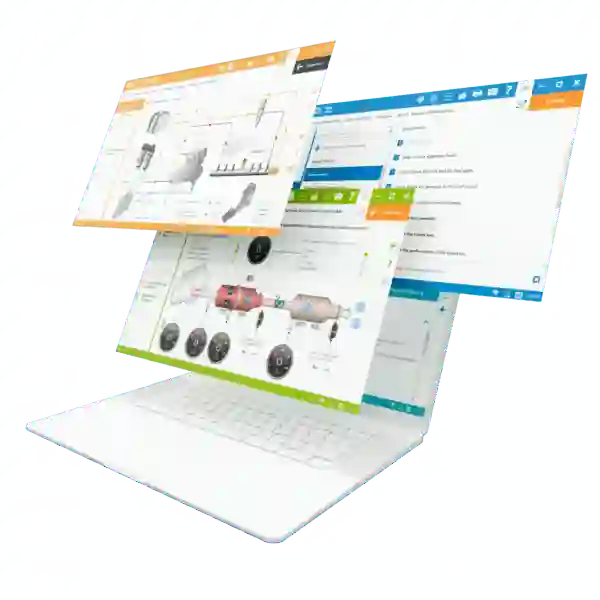
- Why it’s special: With Jaltest INFO Web, you get diagrams, guided instructions, and reference values all in one place, making diagnostics fast and reliable.
Essential Ingredients (What You’ll Need)
To read and interpret a code like a pro:
- Jaltest INFO Web platform: Provides descriptions, diagrams, guided tests, and solutions
- Multimeter: To check voltage and continuity
- Basic tools: To access sensors and wiring harnesses
- Manufacturer manuals/documents (optional): For cross-reference
Substitutions: Other tools may read codes, but only Jaltest INFO Web offers full guidance, reducing errors and downtime.
Steps to Interpret a Fault Code
- Connect to the Jaltest INFO Web platform
- Read and note all fault codes
- Consult Jaltest INFO Web to understand the meaning of each code
- Check the affected components or circuits (voltage, continuity, signals)
- Follow the guided steps to fix the issue
- Clear the codes and test the vehicle to confirm the repair
💡 Pro tip: Start by inspecting connectors and wiring—many “major failures” are just loose connections.
Assembly: Combining All Elements
Diagnose → Verify → Repair → Test → Validate
- Save a Jaltest report for the client or internal tracking
Storage and Preparation Tips
- Keep reports and reference values for vehicle follow-up
- Regularly update Jaltest INFO Web to access the latest manufacturer information
Mechanical Variations
- Generic codes vs. manufacturer-specific codes
- Simple issues (connectors) vs. complex problems (sensors or modules)
- Preventive use to avoid future fault code
Conclusion
Interpreting fault codes with Jaltest INFO Web allows you to turn a worrying dashboard light into a quick solution. Never leave a code unread: diagnose, understand, and repair like a pro!
🚛 Want to see Jaltest INFO Web in action? 👉 Discover the demo here and start reading your codes like an expert.