What if a 30-minute check could prevent a breakdown that costs thousands of euros?
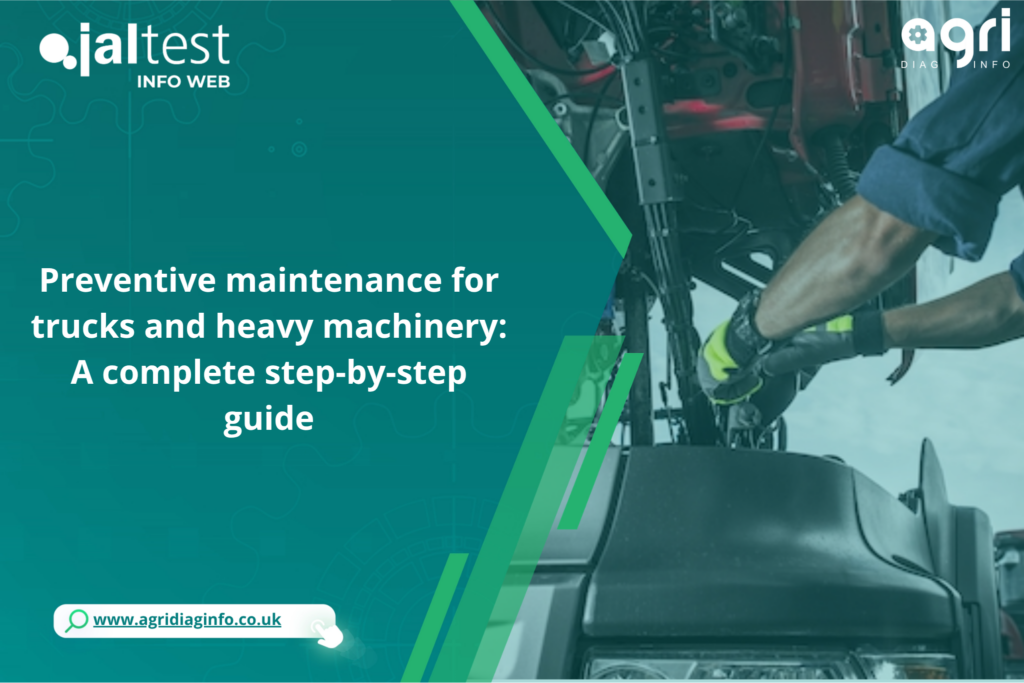
Preventive maintenance trucks and heavy machinery is essential for fleet managers and workshop technicians who want to reduce downtime, avoid costly repairs, and extend the life of industrial vehicles. Even a 30–90 minute preventive check per machine can prevent breakdowns that cost thousands of euros.
This guide provides a step-by-step preventive maintenance method—like following a recipe—to keep your trucks and heavy machinery in top condition while saving time and money.
Overview: What Makes This Method Special?
Preventive maintenance trucks and heavy machinery is a proactive approach to identify potential issues before they become serious problems. By inspecting vehicles regularly and using manufacturer guides, technicians can maintain fleets safely, reduce repair costs, and extend vehicle life.
Benefits include:
-Improved safety for operators
-Reduced downtime and operational interruptions
-Extended lifespan of trucks and heavy machinery
-Lower repair costs and fewer emergency interventions
Essential “Ingredients” for Successful Preventive Maintenance
- Electronic Diagnostic Tool
A diagnostic tool allows you to read fault codes and monitor engine, brake, and electronic data.
👉 Without diagnostics, you’re working blind. - Structured Maintenance Plan
A maintenance schedule (weekly, monthly, yearly) ensures every machine is checked at the right time. - Technical Data and Manufacturer Guides
Wiring diagrams, repair procedures, and manufacturer specifications allow fast and correct repairs.
Substitutions and Alternatives
- A basic OBD scanner can replace a professional tool, but it is less precise.
- A paper logbook can replace software, but it is less efficient.
Key Steps for Preventive Maintenance of Trucks and Heavy Machinery
Step 1: Full Visual Inspection
Check tires, hoses, cables, leaks, and wear on components.
👉 A small leak can turn into a major failure.
Step 2: Fluid Check
Inspect engine oil, coolant, hydraulic oil, and fuel.
Step 3: Electronic Diagnostics
Connect the diagnostic tool and read fault codes.
Monitor pressures, temperatures, and voltages.
Step 4: Test Critical Systems
Test brakes, steering, hydraulics, transmission, and safety systems.
Step 5: Correct Anomalies
Replace filters, tighten connections, clean sensors, and update software.
💡 Pro Tip: Always start with the engine, brakes, and hydraulics.
Building Your Preventive Maintenance System
To create an effective system:
- Combine visual inspection
- Add electronic diagnostics
- Follow a maintenance schedule
- Create a report for each vehicle to track failures and costs
Presentation Tip: Use a dashboard or software to visualize downtime and expenses.
Storage and Preparation Tips
- Store maintenance reports digitally
- Keep critical spare parts in stock
- Train technicians before breakdowns occur
This reduces intervention time and machine downtime.
Maintenance Variations by Equipment Type
🚛 Trucks and Buses
Focus on engine, brakes, transmission, and onboard electronics.
🚜 Agricultural Machinery
Check hydraulics, transmission, and guidance systems.
🏗️ Construction Equipment
Inspect pivots, hydraulics, and safety systems.
Conclusion: Start Preventive Maintenance Today
Preventive maintenance is like a good recipe: the right ingredients, the correct steps, and proper organization.
By following this guide, you can prevent costly breakdowns, extend the life of your trucks and heavy machinery, and save thousands of euros every year.
👉 Test this method, adapt it to your fleet, and enjoy more reliable machines every day.