What if repairing an agricultural machine started with symptoms instead of dismantling parts?
In many workshops, an engine failure still leads to long trial-and-error tests, unnecessary disassembly, and critical time loss—especially during peak agricultural seasons.
Yet modern machines are equipped with electronic control units capable of delivering precise information… as long as you know how to use it.
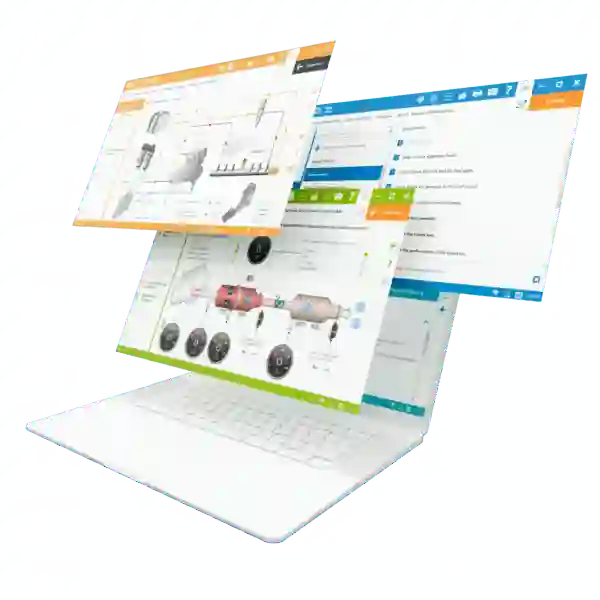
That’s exactly what Jaltest AGV offers, thanks to its symptom-based guided troubleshooting module, as shown in the interface presented.
Preventing seasonal breakdowns agricultural machinery Jaltest AGV is essential to reduce downtime during peak farming seasons. With guided diagnostics and technical data, Jaltest AGV helps technicians quickly identify and repair faults before they become critical.
Preventing seasonal breakdowns agricultural machinery Jaltest AGV
A machine that loses power, consumes too much fuel, or struggles to start does not always generate a clear fault code. In these situations, relying only on error code reading is not enough.
The symptom-based approach allows technicians to:
- Start from the machine’s real behavior
- Identify the systems most likely involved
- Follow a structured diagnostic logic
- Avoid random and unnecessary part replacement
This method is particularly effective for intermittent or progressive failures.
How Jaltest AGV helps in preventing seasonal breakdowns
On the screen shown, Jaltest AGV displays:
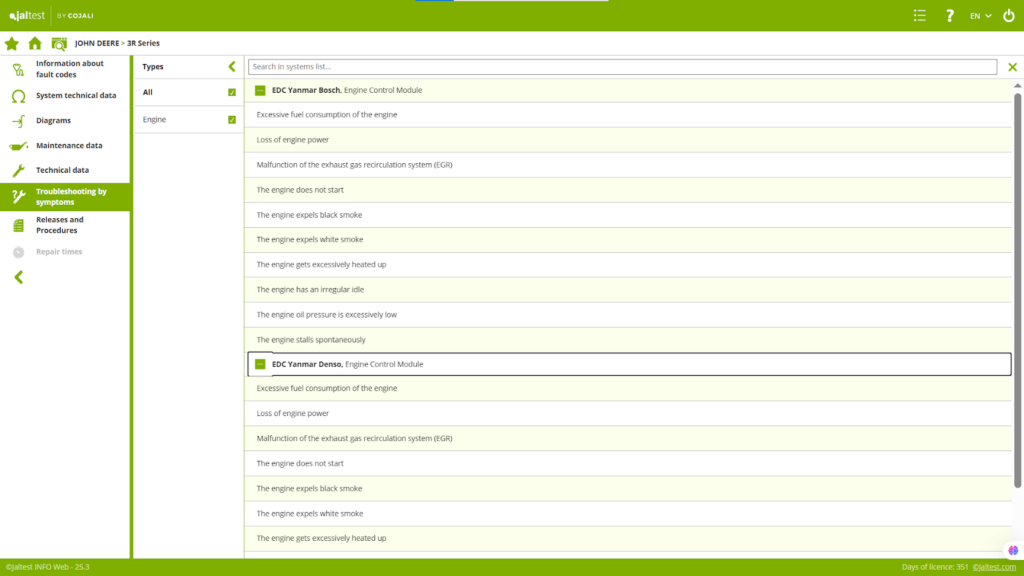
- The targeted vehicle (e.g. John Deere – 3R Series)
- The engine control unit (e.g. EDC Yanmar Bosch / Denso)
- A clear list of engine-related symptoms, such as:
- Engine power loss
- Excessive fuel consumption
- Black or white smoke
- Engine won’t start
- Unstable idle
- Engine overheating
Each symptom becomes a smart entry point into a guided repair workflow.
Benefits of preventing seasonal breakdowns in agricultural machinery
Here’s how Jaltest AGV helps technicians move forward without unnecessary hardware intervention.
1. Select the Main Symptom
The technician chooses the symptom observed on the machine (for example: engine power loss).
This step avoids confusion and immediately directs the diagnostic process.
2. Identify the Involved Systems
Jaltest AGV automatically links the symptom to the relevant systems:
- Engine management
- Fuel injection
- Air intake
- EGR system
- Engine sensors
This allows technicians to understand where to look before touching the machine.
3. Access Targeted Technical Data
Without dismantling anything, the user gains access to:
- Functional system descriptions
- Normal operating conditions
- Probable causes of the symptom
Raw data is transformed into clear diagnostic reasoning.
4. Logical and Comparative Verification
The technician compares:
- Theoretical reference values
- Observed data
- Actual machine behavior
This step confirms or eliminates hypotheses without physical intervention.
5. Guidance Toward the Correct Solution
Jaltest AGV then directs the user to:
- The appropriate repair procedures
- Priority checks
- Components that require attention
Result: faster, more reliable repairs.
Why This Method Reduces Repair Errors
This symptom-based approach helps to:
- Reduce machine downtime
- Avoid unnecessary part replacements
- Structure technicians’ work
- Standardize workshop diagnostic methods
Agricultural machine diagnostics become a controlled process, not a sequence of guesses.
A Key Advantage During Seasonal Peaks
During high agricultural activity periods, every hour matters. With symptom-based troubleshooting:
- Decisions are made faster
- Repairs are more accurately targeted
- Machine availability increases
This delivers a direct operational advantage for farms and service workshops.
Conclusion
An effective repair always starts with a clear understanding of the problem. By structuring agricultural machine diagnostics around symptoms and technical data, downtime is reduced, errors are avoided, and equipment reliability improves over time.
With Jaltest AGV, agricultural maintenance becomes smarter, faster, and more efficient—especially when it matters most.