Why Can Poor Calibration Increase Excessive Fuel Consumption?
What if excessive fuel consumption was not caused by engine wear, but by a simple calibration error? On a truck, tractor, or agricultural machine, excessive fuel consumption can quickly lead to higher operating costs, reduced productivity, and lower overall efficiency.
In this case study, the vehicle was still operating normally, yet it was consuming significantly more fuel than expected. Initially, the customer suspected a major engine failure. However, a systematic diagnosis revealed that the real cause was an incorrect calibration of the fuel injection system.
Excessive Fuel Consumption Diagnosis: Time Required and Difficulty Level
At first glance, the fault was difficult to detect. The engine started normally, idled smoothly, and produced no unusual noises. Nevertheless, fuel consumption had increased considerably.
- Time required: Approximately 30–45 minutes
- Difficulty level: Medium
- Objective: Identify the incorrect calibration value before replacing unnecessary components.
On modern diesel engines, the injection system plays a critical role. The quantity of fuel injected and the injection timing directly affect combustion efficiency, engine performance, and excessive fuel consumption. Technical studies have shown that changes in diesel injection timing significantly influence combustion conditions and fuel efficiency.
Essential Tools for Diagnosing Excessive Fuel Consumption
Jaltest INFO Web
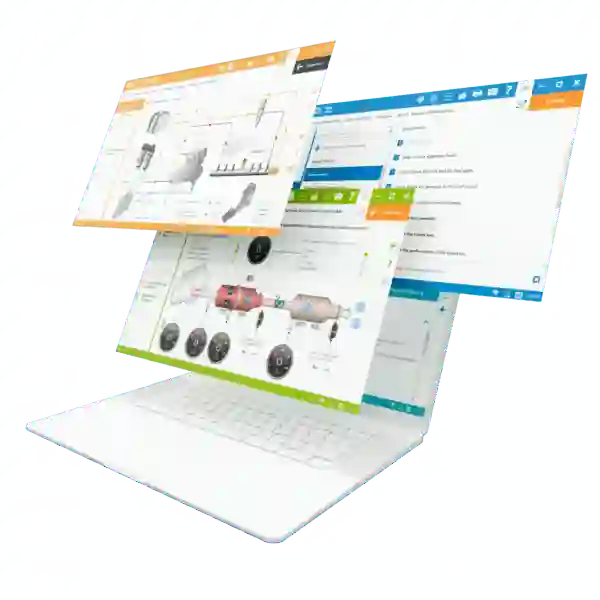
Jaltest INFO Web provides technicians with access to technical specifications, fault codes, wiring diagrams, repair procedures, and diagnostic data for commercial vehicles, agricultural machinery, off-highway equipment, material handling equipment, and marine applications. As a result, mechanics can follow the correct diagnostic procedure instead of relying on assumptions.
Service History
The vehicle’s maintenance history is equally important. In this case, a component had recently been replaced, but the calibration procedure had not been completed correctly after the repair.
Engine Technical Data
Injection parameters, rail pressure, airflow, engine temperature, and fuel correction values should all be compared with the manufacturer’s specifications. This comparison helps confirm whether the calibration is operating correctly.
Visual and Electrical Inspection
Before suspecting an ECU failure, inspect the connectors, sensors, wiring harness, and grounding points. In many cases, a poor electrical connection can generate incorrect data and contribute to excessive fuel consumption.
How to Diagnose Excessive Fuel Consumption Step by Step
1. Listen to the Customer’s Description
First, ask the customer when the problem began. In this case, fuel consumption increased immediately after a previous repair. Therefore, a calibration or configuration error became the primary suspect.
2. Review Technical Information in Jaltest INFO Web
Next, consult Jaltest INFO Web to verify technical procedures, calibration values, and diagnostic information related to the affected system. The platform also supports the diagnosis and maintenance of tractors and agricultural equipment through its AGV solution.
3. Check Injection Parameters
Then, compare the live injection values with the manufacturer’s specifications. The inspection revealed that several parameters were outside their expected range. A poorly coded injector, incorrect adaptation, or inaccurate calibration can easily result in excessive fuel delivery. Likewise, technical studies have shown that injector malfunctions may lead to both over-injection and under-injection.
4. Inspect the Simple Components
Before replacing expensive parts, inspect the air filter, hoses, electrical connectors, and sensors. In many situations, these simple checks help eliminate possible causes and prevent unnecessary repairs.
5. Correct the Calibration
Finally, once the incorrect calibration value was identified, the mechanic performed the proper calibration procedure according to the manufacturer’s recommendations. After the adjustment and a road test, the engine operated more smoothly and excessive fuel consumption returned to normal.
Explaining the Diagnosis to the Customer
Once the diagnosis is complete, explain the situation clearly. The engine itself was not damaged. Instead, an incorrect calibration caused the injection system to deliver too much fuel or transmit inaccurate information to the ECU.
By presenting the diagnostic findings and explaining the corrective procedure, the customer understands why an expensive engine repair was unnecessary.
How to Prevent Excessive Fuel Consumption
Preventive maintenance is essential for avoiding similar issues in the future. For this reason, technicians should:
- Verify calibration procedures after replacing injectors, sensors, or engine components.
- Keep detailed repair reports.
- Record calibration values before and after every intervention.
- Inspect connectors and wiring during routine maintenance.
- Follow the manufacturer’s recommended diagnostic procedures.
Consequently, workshops can reduce repeat failures while improving repair quality and customer satisfaction.
Conclusion
Excessive fuel consumption may appear to indicate a major engine problem. However, the root cause can sometimes be as simple as an incorrect calibration.
By following a structured diagnostic process and using Jaltest INFO Web, technicians can identify the real cause, correct calibration errors, reduce fuel consumption, and avoid unnecessary component replacements. The result is lower operating costs, improved engine performance, and a repair completed correctly the first time.
Request your free Jaltest INFO Web demo today and discover how accurate diagnostics can help reduce excessive fuel consumption and improve workshop efficiency.