An engine warning light comes on at sea… should you panic right away?
Marine engine fault code interpretation is essential when a warning light appears on a boat engine. Many operators immediately think a serious breakdown is occurring. In reality, a fault code is mainly an information signal that helps identify a specific issue. Understanding marine engine fault code interpretation allows technicians and boat owners to react quickly, prevent major failures, and keep the vessel operating safely.
Many people think that an engine fault code on a boat means a serious breakdown. In reality, a fault code is mainly an information message. When interpreted correctly, it helps you react quickly and prevent major damage.
In this article, discover how to interpret an engine fault code on a marine engine, using Jaltest INFO Web technical information for an efficient diagnosis and repair process.
Overview: Interpreting Marine Engine Fault Codes
Marine engines operate in harsh conditions: humidity, salt, and long operating hours. Fault codes are therefore common. This case is special because reaction time at sea is critical.
⏱ Estimated time: 20–40 minutes
⚙️ Difficulty level: Easy to intermediate
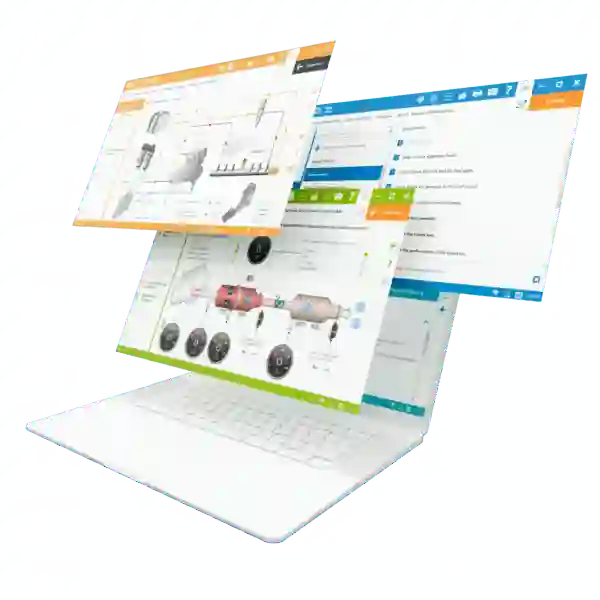
With Jaltest INFO Web, technicians can quickly access clear fault code explanations, possible causes, and manufacturer-recommended procedures.
Essential Tools for Diagnosis and Repair
To properly interpret a marine engine fault code, you will need:
- Jaltest INFO Web: marine technical information platform
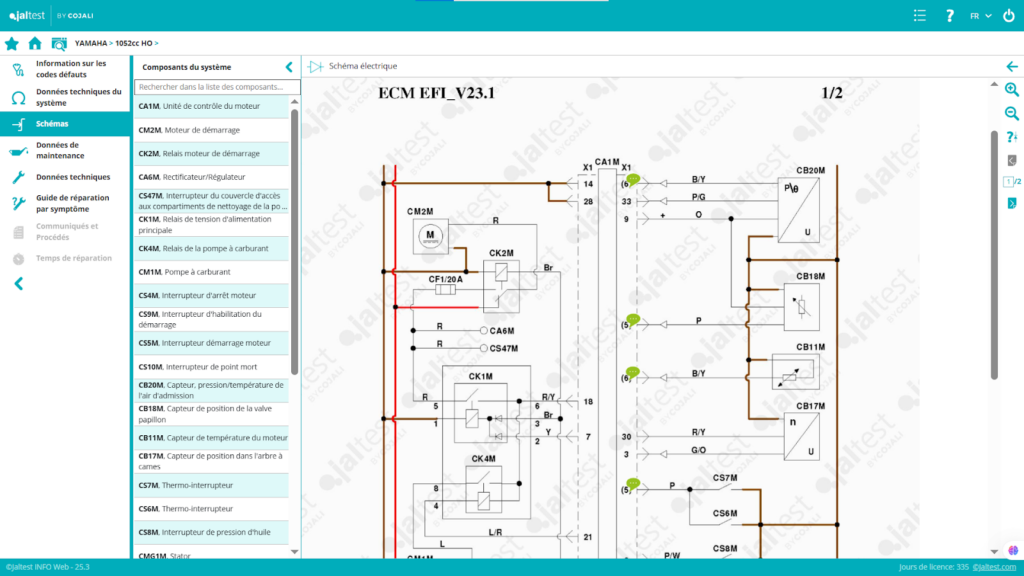
- Computer or tablet: to access engine data
- Standard tools: multimeter, wrenches, testing equipment
- Analysis time: essential to fully understand the fault code
- Safe environment: engine stopped and well-ventilated area
🔁 Substitutions and variations: Depending on the marine engine brand (inboard or outboard), the meaning of a fault code may vary. Jaltest INFO Web adapts technical information to each engine type.
Step-by-Step: How to Interpret a Marine Engine Fault Code
1. Identify the fault code
Write down the displayed or stored code. In Jaltest INFO Web, search for this code to access a clear and simple definition.
2. Understand the possible cause
The platform explains whether the code is related to a sensor, temperature, pressure, or fuel supply. This helps avoid incorrect conclusions.
3. Check the related components
Visually inspect the indicated components: connectors, sensors, hoses. Compare real values with the reference data provided in the technical information.
💡 Marine tip: Always start with simple checks before considering complex repairs.
Final Assembly and Validation
After inspection, make sure all components are properly reinstalled and protected against moisture. Restart the engine and monitor its behavior. A gradual validation process helps avoid surprises while navigating.
Storage and Preparation Ahead of Time
Store tools and technical documents in a dry place. Preparing Jaltest INFO Web technical information before heading out to sea saves valuable time in case of an issue.
Possible Mechanical Variations
Some marine engines use specific cooling or injection systems. Jaltest INFO Web helps adapt the diagnosis and repair process to each configuration and the marine environment.
Conclusion
Interpreting an engine fault code on a boat engine is not about luck—it’s about method. With Jaltest INFO Web technical information, diagnosis and repair become clearer, faster, and safer.
👉 Take advantage of a free demo of Jaltest INFO Web and simplify your marine engine diagnostics today. 🌊