What if a simple overheating issue could shut down an entire construction site?
On construction equipment, cooling system problems are often underestimated. Yet excessive engine temperature can lead to serious and costly failures.
In this case study, we’ll see how to check cooling systems on construction equipment using a clear, structured method based on Jaltest INFO Web technical information—for efficient diagnosis and repair.
Case Study Overview: Cooling Systems on Construction Equipment
The cooling system is critical for protecting the engine under harsh working conditions such as dust, heat, and long operating hours.
This case is particularly important because even a minor fault can quickly lead to major damage.
⏱ Estimated time: 30–50 minutes
⚙️ Difficulty level: Easy to intermediate
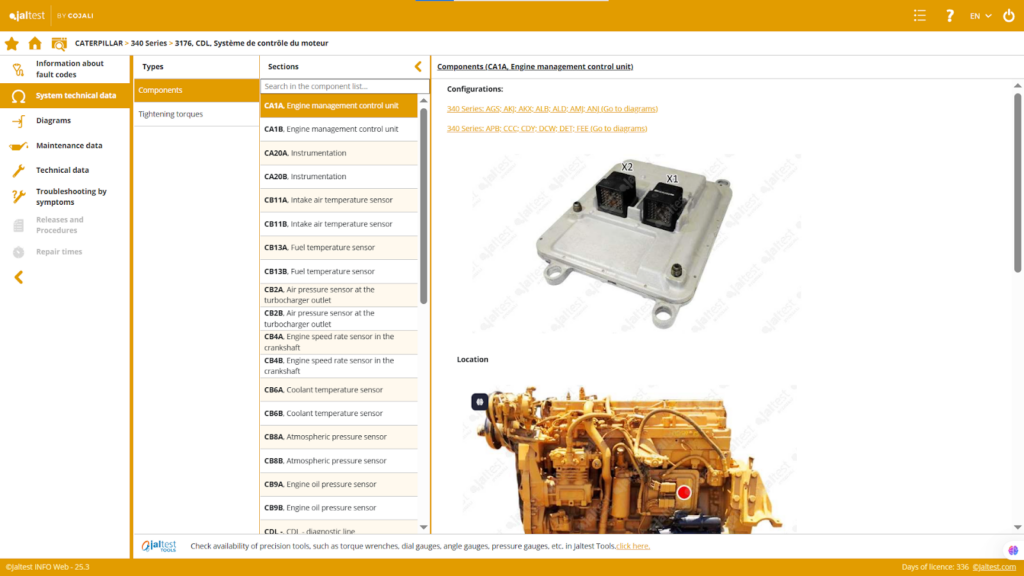
With Jaltest INFO Web, technicians can quickly access wiring diagrams, component locations, and manufacturer procedures adapted to each machine.
Essential Requirements for Diagnosis and Repair
To perform these essential checks, you will need:
- Jaltest INFO Web: access to technical information for the cooling system
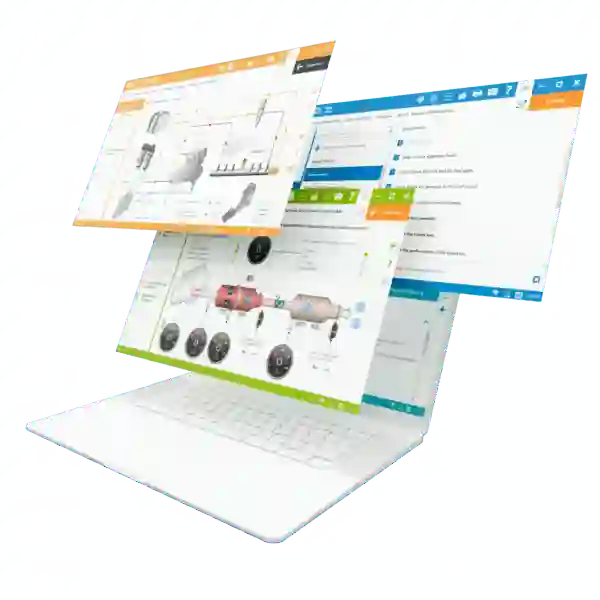
- Laptop or tablet: to consult diagrams and manufacturer data
- Standard workshop tools: wrenches, multimeter, and inspection tools
- Approved coolant: incorrect or contaminated fluid can cause overheating
- Observation time: essential for a reliable diagnosis
🔁 Substitutions and variations: Depending on the machine type (excavator, loader, bulldozer), cooling system configurations may differ.
Jaltest INFO Web details each variant clearly.
Step-by-Step Guide: Essential Cooling System Checks
Step 1: Check Coolant Level and Condition
A low coolant level or dirty fluid can prevent proper engine cooling.
Compare the condition and level with manufacturer recommendations available in Jaltest INFO Web.
Step 2: Inspect Main Components
Check the radiator, hoses, cooling fan, and thermostat.
The diagrams in Jaltest INFO Web help quickly identify each component and its location.
Step 3: Check Sensors and Control Systems
A faulty temperature sensor may cause incorrect fan operation.
Compare real-time readings with reference values provided in the technical information.
💡 Jobsite tip: Regularly cleaning the radiator prevents dust buildup and significantly improves cooling performance.
Reassembly and Return to Service
After completing the checks, reinstall all components correctly and ensure that all connections are secure.
Run the machine at idle, then under light load, to confirm that engine temperature remains stable.
Proper reassembly ensures reliable performance on the jobsite.
Storage and Pre-Inspection Preparation
Store coolant in a clean, sealed container.
Preparing Jaltest INFO Web technical information before the inspection helps save time and reduces machine downtime.
Possible Mechanical Variations
Depending on the brand and model, some machines use electronically controlled fans or reinforced cooling systems.
Jaltest INFO Web helps adapt the diagnosis and repair process to each specific configuration.
Conclusion
This case study highlights the importance of giving proper attention to cooling systems on construction equipment.
With a simple method and Jaltest INFO Web technical information, diagnosis and repair become faster, safer, and more reliable.