
How can you quickly identify a fault on a Caterpillar machine?
A Caterpillar diagnostic is essential when a construction machine loses power, displays a warning light, or behaves abnormally. Such problems can quickly lead to expensive downtime and affect the productivity of a construction site.
However, identifying the source of a fault is not always straightforward. The problem may come from the engine, hydraulic system, sensor, wiring, or electronic control unit.
Modern Caterpillar construction machines include advanced electronic systems that continuously monitor machine performance. Therefore, effective Caterpillar diagnostics require technicians to analyze symptoms, read fault codes, and follow a structured troubleshooting process.
Why perform a Caterpillar diagnostic?
Modern construction equipment uses electronic control units (ECUs) to monitor and manage several important systems, including:
- Engine management;
- Fuel injection;
- Hydraulic systems;
- Transmission;
- Sensors and actuators.
A single symptom can have several possible causes. For example, a loss of power may result from:
- Fuel system problems;
- A faulty sensor;
- Hydraulic issues;
- An electrical fault.
Therefore, a proper Caterpillar fault diagnosis helps technicians identify the actual cause before replacing components unnecessarily.
What are the main steps in a Caterpillar diagnostic?
An effective diagnostic process should follow several steps. First, technicians need to analyze the symptoms. Then, they can read the fault codes and check the systems concerned.
1. Analyze the symptoms
Before starting the Caterpillar diagnostic, technicians should carefully observe the machine’s behavior.
Common symptoms include:
- Loss of power;
- Difficult starting;
- Unusual noises;
- Irregular hydraulic movement;
- Warning indicators;
- Abnormal operating conditions.
This first analysis helps narrow down the possible causes and guides the troubleshooting process.
2. Read Caterpillar fault codes
Reading Caterpillar fault codes is another important step in the diagnostic process. Fault codes can help identify the systems in which an abnormality has been detected.
Faults may concern:
- Engine systems;
- Hydraulic pressure;
- Temperature;
- Communication between control units;
- Sensors and actuators.
However, a fault code does not always mean that the related component must be replaced. Instead, it identifies an area that requires further investigation.
Consequently, technicians should use technical information and testing procedures to confirm the actual cause of the fault.
3. Check the related systems
Once the affected system has been identified, technicians can perform the necessary checks.
These may include:
- Electrical connections;
- Wiring harnesses;
- Sensors;
- Operating values;
- Hydraulic components;
- Related control units.
In addition, technical diagrams and testing procedures make these checks faster and more accurate.
4. Confirm the root cause
Finally, technicians should compare the test results with the available technical specifications. This allows them to confirm the source of the problem before carrying out a repair.
This step is particularly important because replacing a component based only on a fault code can lead to unnecessary costs and additional downtime.
Caterpillar diagnostics with Jaltest INFO Web
To perform an effective Caterpillar diagnostic, technicians need reliable technical information that is easy to access.
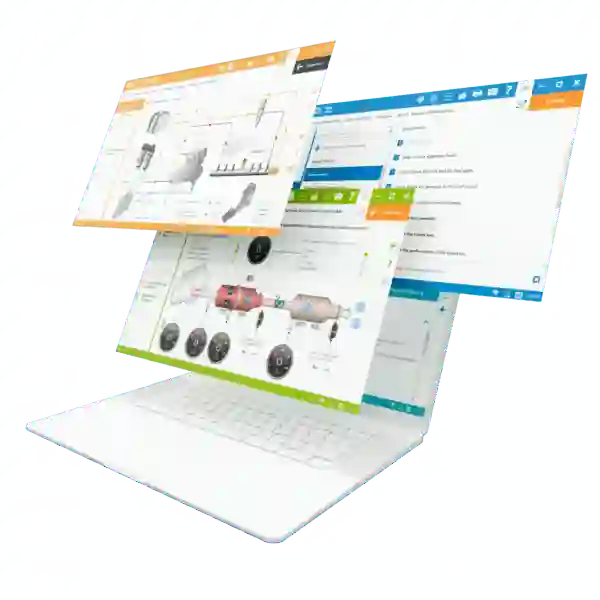
With Jaltest INFO Web, professionals can access technical resources designed to support fault diagnosis and repair.
Caterpillar fault code information
Fault code information helps technicians understand the detected problem and identify the system that requires further inspection.
Caterpillar wiring diagrams
Wiring diagrams help technicians identify electrical connections, circuits, and components. As a result, they can perform electrical checks more efficiently.
Technical specifications
Technical data provides useful information for understanding machine systems and comparing operating values during diagnostic tests.
Testing and repair procedures
Finally, testing and repair procedures help technicians follow a structured approach when checking components and identifying the root cause of a fault.
Therefore, Jaltest INFO Web can help workshops reduce troubleshooting time and improve the accuracy of their Caterpillar diagnostics.
Conclusion: Effective Caterpillar diagnostics start with the right information
A successful Caterpillar diagnostic is not simply about reading a fault code. Instead, it requires a complete analysis of the machine’s symptoms, electronic systems, and technical data.
By combining symptom observation, Caterpillar fault code analysis, system testing, and reliable technical information from Jaltest INFO Web, professionals can identify faults more efficiently.
As a result, workshops can reduce unnecessary component replacements, minimize downtime, and return construction equipment to service faster.